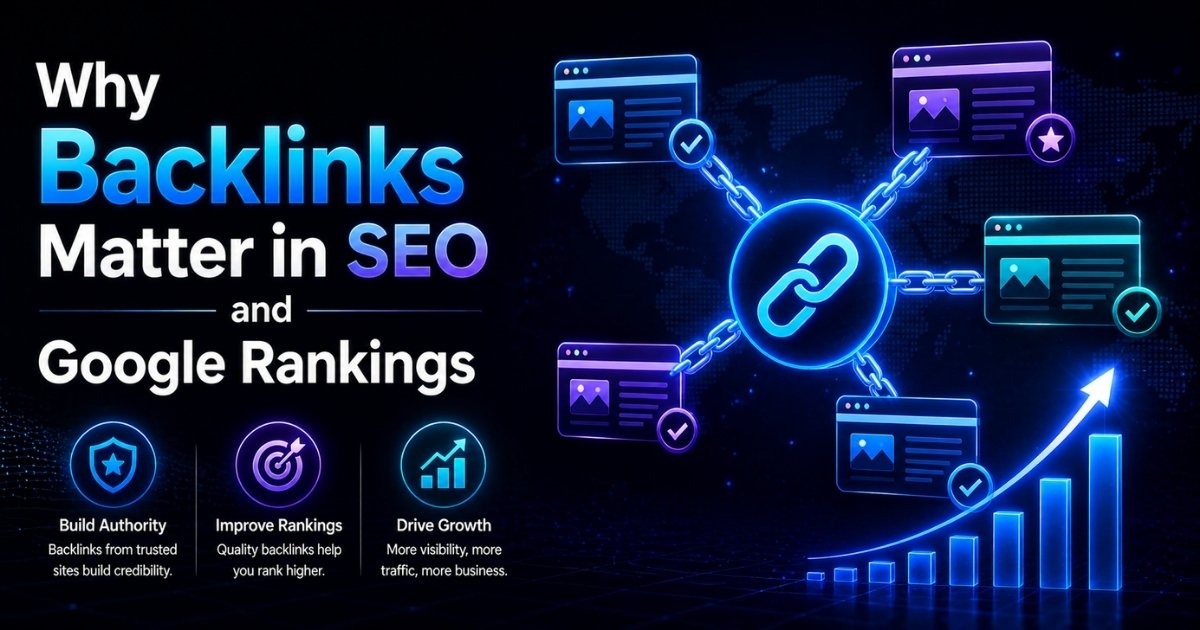
Search engine optimisation in 2026 relies heavily on authority signals, and SEO backlinks remain one of the most influential ranking factors. While content quality and technical SEO are essential, backlinks help search engines determine whether your website is trustworthy and relevant within its niche.
Understanding the importance of backlinks in SEO allows businesses to move beyond basic optimisation and focus on building authority. Backlinks function as endorsements from other websites, strengthening credibility and improving visibility across search engine results pages.
Why SEO Backlinks Are Critical for Rankings
SEO backlinks play a central role in how search engines evaluate websites. When credible websites link to your content, it signals reliability and expertise. This process helps search engines rank your pages higher for relevant queries.
The importance of backlinks in SEO has grown as algorithms have become more sophisticated. Google now evaluates not just the presence of backlinks, but also their context, relevance, and authority, making strategic backlink acquisition more important than ever.
How SEO Backlinks Build Website Authority
Building authority requires consistent and high-quality link acquisition. SEO backlinks from reputable domains improve your site’s domain strength, making it easier to compete in search rankings.
The importance of backlinks in SEO becomes evident when analysing top-ranking websites. These sites typically have strong backlink profiles, demonstrating that authority is built through trust and consistent link-building efforts over time.
SEO Backlinks and Content Relevance
Content and backlinks are closely connected. High-quality content naturally attracts SEO backlinks, especially when it provides unique insights or valuable information. This organic linking process supports sustainable growth.
Modern link-building strategies for SEO prioritise content that aligns with user intent. When content answers specific queries effectively, it increases the likelihood of earning backlinks from authoritative sources within the same niche.
Strategic Approach to SEO Backlinks
A structured approach is essential for effective backlink building. SEO backlinks should come from relevant and authoritative websites to maximise their impact on rankings.
Businesses must adopt link-building strategies for SEO that focus on authenticity. Outreach, collaborations, and content marketing are key methods that help secure meaningful backlinks while maintaining compliance with search engine guidelines.
SEO Backlinks and Risk Management
Not all backlinks are good for SEO performance. Low-quality links can hurt rankings and credibility. Search engines actively penalise manipulative practices, so monitoring backlink profiles is critical. The best SEO agency tracks the performance.
The importance of backlinks in SEO also includes maintaining link quality. Regular audits help identify harmful links and ensure that only relevant and trustworthy backlinks contribute to your SEO strategy.
Future Trends in SEO Backlinks
In 2026, SEO backlinks are evolving to prioritise relevance, context, and expertise. Search engines now favour links that come from authoritative content within the same topic area.
Advanced link-building strategies for SEO include digital PR, thought leadership content, and strategic partnerships. These approaches reflect a shift towards quality-driven link building that aligns with user expectations and search engine standards.
Final Thoughts
Backlinks remain a foundational element of SEO, but success now depends on strategy rather than volume. Businesses must focus on relevance, authority, and ethical practices to build sustainable growth. Partnering with a top SEO agency like Glowing Digital ensures access to expert-driven backlink strategies aligned with current search engine algorithms.
FAQs :
1. What are SEO backlinks and how do they work?
SEO backlinks are links from external websites that direct users to your site. They act as trust signals for search engines, helping improve rankings and visibility. High-quality backlinks from relevant sources indicate authority, making them an essential part of any successful SEO strategy.
2. Why is the importance of backlinks in SEO increasing in 2026?
The importance of backlinks in SEO is increasing because search engines prioritise trust and authority more than ever. Backlinks help validate content credibility and relevance. As competition grows, strong backlink profiles give websites an advantage in achieving higher rankings and maintaining long-term search visibility.
3. What are the best link-building strategies for SEO today?
Effective link-building strategies for SEO include content marketing, guest posting, and digital PR. These methods focus on earning high-quality links from authoritative sources. By prioritising relevance and value, businesses can build a strong backlink profile that supports long-term ranking growth and search engine trust.
4. Can backlinks damage a website’s SEO performance?
Yes, backlinks can negatively impact SEO if they come from spammy or irrelevant websites. Search engines may penalise such links, reducing rankings. Regular backlink audits and focusing on quality sources help maintain a healthy link profile and protect overall SEO performance from potential risks.
5. Should companies invest in the best SEO agency for backlinks?
Working with the best SEO agency helps businesses implement effective backlink strategies. Agencies provide expertise, tools, and industry insights to acquire high-quality links. This results in better ranking performance, enhanced credibility, and long-term SEO success, without resorting to risky or outdated link-building techniques.

Rajveer Mahmia
Rajveer Mahmia is the Founder & CEO of Glowing Digital, a global AI-first SEO agency serving 100+ businesses worldwide. Starting in 2021, he built the agency around the future of search—combining AI SEO, AEO, GEO, LLM SEO, and Google SGE. Rajveer helps brands gain visibility across Google and AI search platforms like ChatGPT, Gemini, and Perplexity through data-driven, intent-focused organic growth systems.


