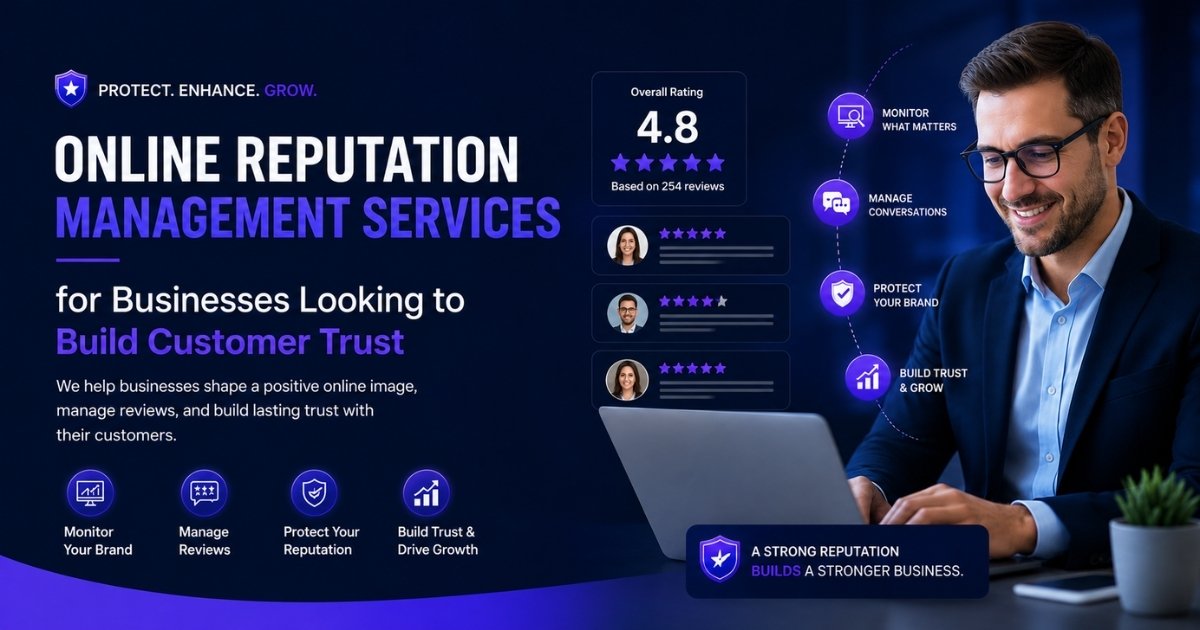
Trust is harder to earn than ever before. Before contacting a business, most people do something incredibly simple. They search for it online. They read reviews, check ratings, browse social media profiles, and sometimes even scan search results beyond the first page. In many cases, customers form an opinion before speaking to a salesperson or visiting a website.
That’s exactly why online reputation management has become such an important part of modern business growth. A strong online presence helps businesses appear trustworthy, credible, and customer-focused, while a poor reputation can drive potential customers away before conversations even begin.
Why Online Reputation Management Matters More Than Ever
Years ago, businesses largely controlled their own narrative through advertising and marketing. Today, customers have a voice too. Reviews, social media comments, discussion forums, and search engine results all influence how people perceive a brand. A few negative experiences left unanswered can create doubts among potential customers, even if the business provides excellent products or services.
This is where online reputation management plays a vital role. It helps businesses monitor public perception, respond to feedback, address concerns, and build a positive digital presence that reflects the quality of their services. In a world where first impressions are often made online, reputation directly impacts customer confidence.
Customers Research Before They Buy
Think about your own behaviour for a moment. When choosing a hotel, restaurant, service provider, or online store, you likely check reviews first. Most consumers do the same thing. Positive reviews create confidence. Negative reviews without responses often create hesitation.
A business with strong ratings and active customer engagement naturally appears more trustworthy than one with little online activity. That’s why businesses are increasingly investing in online reputation management strategies that help strengthen their public image across digital platforms. The goal isn’t simply to collect positive reviews. It’s creating an environment where trust can grow naturally.
Search Results Shape Brand Perception
Many business owners focus heavily on websites and social media but forget about search engines. The reality is that search results often become a customer’s first introduction to a business. What appears when someone searches your company name can influence whether they choose to contact you or move on to a competitor.
This is where Search Engine Reputation Management (SERM) becomes incredibly valuable. SERM focuses on improving how brands appear within search engine results by promoting positive content, improving visibility, and helping businesses maintain greater control over their online image. A strong search presence can significantly improve customer confidence before any direct interaction takes place.
Reputation Impacts Conversions
Building trust isn’t just about looking good online. It directly affects business performance. Customers are more likely to enquire, purchase, subscribe, or engage when they feel confident about a brand. Positive reviews, strong ratings, professional responses, and credible search results all contribute to that confidence.
Even small improvements in customer trust can influence conversion rates. That’s why many businesses now view brand reputation management as a long-term investment rather than a short-term marketing activity. A positive reputation helps support sales, customer retention, referrals, and overall business growth.
Managing Reputation Requires Consistency
One positive review won’t build a reputation overnight. Likewise, one negative review doesn’t automatically damage a brand. Reputation is built through consistent actions over time.
Businesses need to monitor feedback regularly, respond professionally, encourage genuine customer reviews, and maintain active communication across relevant platforms. Consistency demonstrates accountability and shows customers that the business genuinely values their experience. This proactive approach helps brands stay ahead of potential issues while strengthening long-term customer relationships.
Why More Businesses Are Taking Reputation Seriously
Customers have access to more information than ever before. They quickly compare businesses and make decisions about choosing reputation management services based on what they find online. A strong reputation can influence purchasing decisions just as much as pricing, product quality, or service offerings.
As digital behaviour continues evolving, businesses are recognising that reputation management is no longer optional. It has become an essential part of maintaining visibility, credibility, and customer trust in a competitive marketplace.
Final Thoughts
Building customer trust doesn’t happen through advertising alone. It happens through consistent experiences, positive feedback, and a strong digital presence that customers can confidently rely on. That’s why online reputation management has become a crucial strategy for businesses looking to strengthen credibility and improve customer confidence.
Companies that actively manage their reputation are often better positioned to attract new customers, retain existing ones, and build sustainable long-term growth. With its focus on ethical digital marketing, customised strategies, transparency, and measurable business outcomes, Glowing Digital helps businesses strengthen their online presence and build meaningful trust with their audience.
FAQs :
1. Why is online reputation important for businesses today?
Customers frequently research businesses online before making purchasing decisions. Reviews, ratings, search results, and social media activity all influence trust levels. A positive reputation helps create confidence among potential customers, while a poor online presence can discourage engagement and reduce opportunities for long-term business growth.
2. What does online reputation management involve?
Online reputation management involves monitoring brand mentions, managing customer reviews, responding to feedback, improving online visibility, and maintaining a positive digital image. The objective is to ensure that customers encounter trustworthy and accurate information when researching a business across various online platforms.
3. How does Search Engine Reputation Management (SERM) help businesses?
Search Engine Reputation Management (SERM) focuses on improving how a business appears within search engine results. It helps promote positive content, strengthen brand visibility, and reduce the impact of potentially harmful information, creating a more favourable first impression for customers researching the company online.
4. Can reputation management improve customer trust?
Yes, effective reputation management helps businesses demonstrate transparency, responsiveness, and professionalism. Customers are more likely to trust companies that actively engage with feedback, address concerns promptly, and maintain a strong online presence. These actions contribute significantly to building lasting customer confidence and loyalty.
5. Why do businesses invest in reputation management services?
Many businesses invest in reputation management services because maintaining a positive online image requires ongoing monitoring and strategy. Professional support helps businesses manage reviews, improve visibility, strengthen credibility, and respond effectively to customer feedback while protecting long-term brand value.

Rajveer Mahmia
Rajveer Mahmia is the Founder & CEO of Glowing Digital, a global AI-first SEO agency serving 100+ businesses worldwide. Starting in 2021, he built the agency around the future of search—combining AI SEO, AEO, GEO, LLM SEO, and Google SGE. Rajveer helps brands gain visibility across Google and AI search platforms like ChatGPT, Gemini, and Perplexity through data-driven, intent-focused organic growth systems.


